
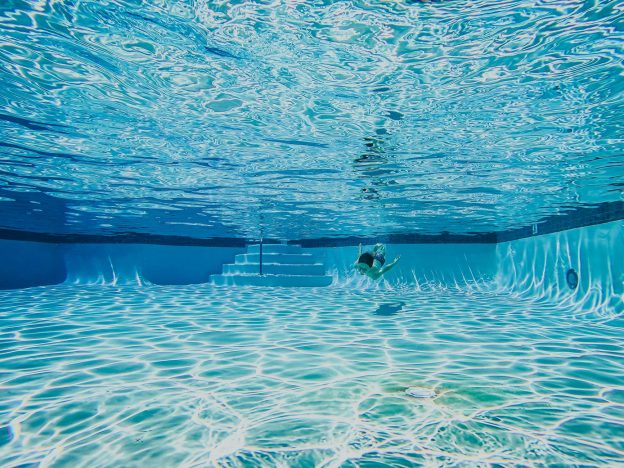
A family with a backyard pool in the Portland area noticed one March that the floor felt like sandpaper under bare feet, and that brownish stains had spread near the steps. The pool had also started demanding attention: more brushing, more chemical adjustments, and a cloudy look that never quite cleared after the wettest winter they could remember. The pool was not leaking, and nothing had cracked. The plaster had simply reached the end of its useful life, and they had to work out what that meant.
Surface Wear vs. Structural Trouble: What the Rough Patches Were Really Telling Us
Plaster is a thin finish coat over the shell, and it wears in recognizable ways. Roughness underfoot, chalky residue when you wipe a hand across the wall, etching around the waterline, and stains that return after cleaning all point to surface aging. Those are replastering problems.
Other signs point deeper. Hollow-sounding spots when tapped, cracks that run through the shell rather than across the finish, and water loss that cannot be explained by evaporation call for a closer look at the structure and plumbing. A good contractor will separate the two before quoting anything, because replastering over an unresolved shell problem just buries it.
Standard Plaster vs. Pebble vs. Quartz Finishes: Choosing a Surface for a Wet, Leafy Climate
Standard white plaster is the smoothest and usually the least expensive option, but it is also the most vulnerable to staining and etching, which matters when leaves and needles sit on the floor for days. Pebble finishes embed small stones in the cement, giving a textured, durable surface that hides discoloration well. The tradeoff is feel: it is rougher on feet, and some owners find it uncomfortable on the steps and benches.
Quartz sits in between. It blends crushed quartz into the mix, producing a harder, more stain-resistant surface than basic plaster while staying gentler than most pebble blends. For a yard under mature Douglas firs or maples, organic stains are a realistic concern, so the choice often comes down to how much texture you will tolerate in exchange for easier upkeep.
Wet-Season Wear vs. Summer Swim Season: Why Oregon Weather Shapes the Timeline
The Willamette Valley gives plaster a long, damp winter. Rain dilutes pool chemistry and shifts the water balance, while debris breaks down on the surface and leaves tannin stains. Cold snaps matter too, since plaster needs to cure in moderate temperatures, and a pool left empty through a freeze invites trouble.
That is why timing is part of the plan. Late spring through early fall offers the most reliable conditions for curing, but it is also when schedules fill up. Owners who spot problems in winter or early spring can use that lead time to get on a calendar rather than rushing in June.
Drain-Down Day vs. Fill-Up Week: What Replastering Actually Involves
The process is more physical than most people expect. The pool is drained, and the old finish is chipped or hydro-blasted away. The crew then inspects the shell, repairs any cracks, and checks tile and fittings. New plaster is troweled on in a single, continuous push, because stopping midway can leave visible seams.
The first week afterward is where care matters most. The pool is filled promptly and steadily, usually without interruption, and the water chemistry is managed carefully through the early curing period. Brushing schedules and startup instructions during these days affect how the surface looks years later, so ask for them in writing.
Hiring a Local Specialist vs. a General Pool Service: Questions to Ask Before You Commit
A general pool service is a sensible choice for routine cleaning and equipment checks, but resurfacing is a specialty with its own crew, materials, and warranty terms. Local experience counts as well, since a contractor who works in this climate every year knows how rain, tree debris, and the cooler shoulder seasons affect scheduling and surface life. One option to look at is Pool Resurfacing and Plastering West Linn Oregon, which is worth vetting alongside any other candidates rather than treating as an automatic answer.
Whoever you shortlist, ask the same questions. Is the work done by their own crews or subcontracted? What finishes do they install most often, and can you see a pool that is several years old? How do they handle shell repairs they discover mid-project? What does the warranty cover, and what does it exclude? Finally, who supervises the startup, and what exactly will you be asked to do during the first weeks? Clear, specific answers tell you far more than a polished estimate.